Friday, 7 June 2013

Salami Making Tips

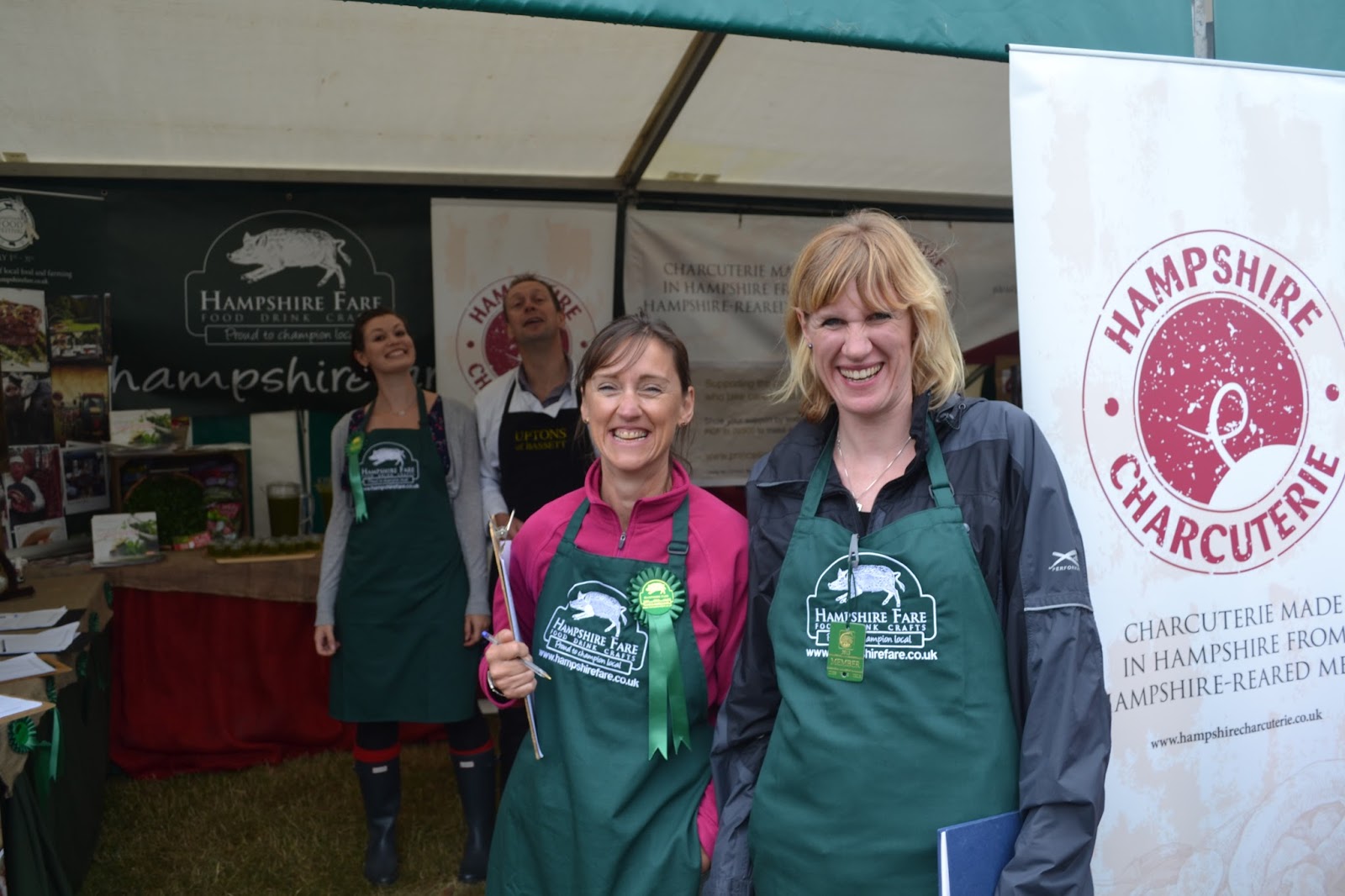
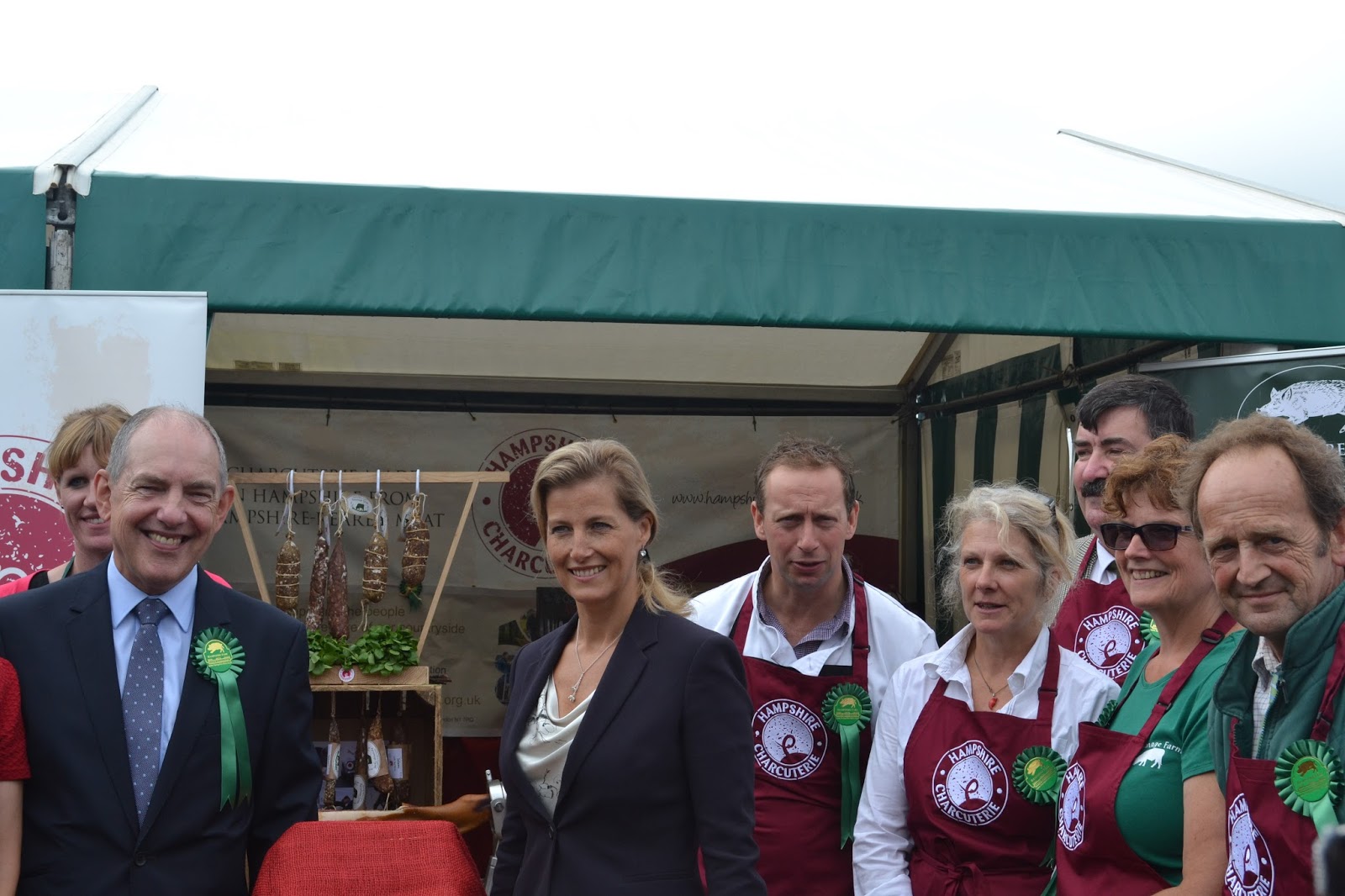
When making salami a good tip is to fill a permeable salami casing like the bubbled netted one in the background of the first picture with salt. These salt filled dummy salamis help to absorb any unwanted moisture that may be in your curing cabinet, thus helping to reduce spoilage (replace once every six months).

Another good tip is to place some organic material in your cabinet like a length of wood or drape some clean rope around your shelving, these items will host the good bacteria that is required to help your salami develop the right moulds. Good moulds fight bad moulds, so this small tip will help you combat any potential spoilage problems.

If you are using a container of water (best with an added culture) or a brine to control humidity, then remember this; to raise humidity use a wide necked container and to reduce humidity use a narrow necked container.. If you are new to salami making, then spray the inside of your cabinet or maturing room several weeks before production commences with water and added culture to help kick start the build up of good bacteria. Try not to have too much plastic or metals in your maturing room (clean walls are not necessary good wall's, that's not to say dirty walls are acceptable), only bring the plastic walling to a good height where it is sensible for periodic cleaning, allow as much organic material as you can without compromising your relationship with your Evironmental Health Officer. If he or she questions your build then explain why you are doing this, after all we all want the same thing and that is to produce a product that is fit for human consumption.

Monday, 20 May 2013

Italian Salumi Day at Empire Farm

Recently we held an Italian Salumi day at www.empirefarm.co.uk where we started with a whole half pig to butcher Italian style. The class all got a chance to take part in butchering sections and had we had known that Andrew from Hong Kong was an Ear, Nose & Throat Surgeon in his day job, we would have given him the head to work on.(next time Andrew!)

Prosciutto with sliced pears, grapes, Italian blus cheese and crushed walnuts

Whilst breaking down the pig, the class utilised the parts by making some Coppa ham, Lonza, Pancetta, Prosciutto and Salami all of which they took home.

Breasola, Pancetta with figs and blue cheese

Some beef brisket was used to make Pastrami and Breasola was discussed with using silverside and Prosciutto di Anatra made from duck breasts.

Milano style salami with Coppa ham and an orange & walnut garnish
Some salami was made and the seasonings were left to the classmates discression


The salami that was made was filled into natural ox-casings along with some being made in the bubbly effect artificial casings.
Peppered Pastrami wrapped gherkins with a mixed olive & garlic centre

Coppa ham with Milano Salami and an orange and walnut garnish 

Lardo cured with garlic salt and melted over some toasted ciabatta bruscetta
This Lardo bruscetta was my favourite, well done to pro chef Chris for designing this particular dish...yummy

Cheese bread twirls wrapped in pancetta

Take a picture guy's

Sally deciding which salad leaf she's going to eat !


All the lunch items were prepared by Sally and the classmates on this occassion, demonstrating what a fine display a few salumi products can make along with your imagination and flare.


If you would like to attend an Italian Salumi course at www.empirefarm.co.uk then get in touch with Sally and ask for further dates and details...bon Appetito!

Saturday, 4 May 2013

Kippers

What is a Kipper?

Whilst you are all deliberating the answer I wish to digress and explain some of the enclosed photographs.

I've recently come across a useful tip whilst filleting fish and I would like to share it with you; By placing your wet slippery fish onto a green plastic doormat like this one (cost £5.00), you'll find that the mat grips the fish from the underside whilst you do the filleting safely, not only that the mat can be placed into your dishwasher for cleaning and eh presto! You have a clean work surface and a mat that can be cleaned easily along with your knives.


As you can see above I prefer to use a steak knife to fillet my salmon as I like to use a knife where I can see the tip of the blade at all times. I do have a very good fish filleting knife and I would use that on smaller fish such as Trout or Mackerel etc. This technique is useful for beginners as they too can see the blade beyond the belly of the fish and whilst they listen & feel for the middle section of the blade to run along the backbone of the fish (sounding like a child running past school railings with a stick in their hand is how I describe it).


Anyone tell me what a Kipper is yet?


In these pictures you can see some past course students accomplishing the preparation of a salmon ready for making a Gravlax. A salmon has a 10 day shelf life from the day it was culled, it yields two thirds, for example; a 3kg salmon will give you two fillets weighing a kilo each whilst the carcass a kilo in weight can be used for stock and you can also use the cheeks for little appetisers. Remember to run a dessert spoon down the filleted carcass as this will easily retrieve any unharvested flesh which you can use as tartare or as pate etc. Don't forget to pin bone the fillets!


Here we have the Gravlax that has been cured for 5 days with salt & sugar 50/50 (using anything up to 100grams per kilo of salmon depending on your own personal taste) along with some vodka and dill. Use as much dill as you like it won't spoil the finished product (by the way gravlax means to bury your salmon in a grave).


Try wherever possible to carve / slice the salmon towards the tail at about a 20 degree angle as this will offer you the best finish.


I like my salmon cured & smoked before being wrapped around asparagus, where I can use them to dip into dairy based flavoured dips. Sometimes I make a pate and use it as a filling for a Salmon Timbale and serve it with brown toast and a fresh cucumber salad.


I can hear some of you answering a kipper is a herring, in fact most of you are responding with the same answer, some of you have said a kipper is a smoked mackerel. None of you are right so far, surprised ? confused?
 

Ah, I hear someone say a Kipper is a technique not a fish, almost right with that answer, well done if you too said that.


Those of you who know me will know that when I start a class I'm always found saying the clues are always in the classroom.


Did you know salmon skin is the second strongest natural fibre in the world and that in Scandinavia this by-product is used to make shoes, bikinis and even mobile phone covers.


Time for the answer! What is a Kipper? I can tell you that a male salmon that has returned and reached freshwater in order to spawn and having been at sea is called a Kipper. Yes this is true, the cock salmon would be in poor condition as they would have used their fat reserves to reach these spawning grounds. Man would kill these cock salmon split them open through the back and butterfly them for curing and smoking in order to preserve them. This technique took the name Kipper from the cock salmon and thus the filleting and preserving name along with the technique was adopted to other fish including the Herring. Today and for many years the Herring has been preserved in this way and they are often referred to as Kippers and found commonly on many breakfast menu (I bet you never knew that did you?).

I also would like to share with you my favourite salmon farmer producer-supplier. The salmon are killed and despatched to order so remaining fresh for the optimum time giving you a prime product to work with. They come packed in the usual coolbox covered in ice as you come to expect, however they also come with an outer wooden box which not only protects their delivery, you can recycle the box for such things as raised bed boxes for the growing of herbs or you can use the wood to fuel your fish smoker and if you have a smokehouse you could break the panelled boxes down and use them as decorative wall panels. I'll leave it to you to decide but do take a look at Scotland's smallest salmon Farmer and use them if you can...

 www.wrs.co.uk/

I hoped you have enjoyed this little salmon blog as I have...

Tuesday, 2 April 2013

Le Charcutier Anglais - Ebook Version

Well it's been a long journey for those that have been asking for an ebook version of Le Charcutier Anglais, however I can now inform you it is finally here:-

Just click here for more information https://itunes.apple.com/gb/book/le-charcutier-anglais/id623237925?mt=11

We'll be adding further recipes, audio & video tutorials and more just as we can get round to filming them, so you can expect a fuller richer experience being added to your purchase, so remember to look out for your free updates from time to time.

Thank you for all your loyalty & support, it really makes this all worthwhile especially knowing some of you are learning these skills for the first time and by doing so you are joining a special group of people whom without we would lose our food heritage.

"Charcuterie a taste for the future from the past".

Saturday, 9 March 2013

Jambonneau de Poulet

Jambonneau de Poulet or stuffed chicken legs, is a simple dish to make and one where you can impress your friends or anyone else that may turn up unexpected and all with just a little knowledge on how best to butcher your bird.


Having checked my fridge and my larder, I've found a carrot, some asparagus, chicken & mushroom pate (coincidence) along with a tin of cream of chicken soup (another coincidence).
 
Having sorted my ingredients, I now need to portion my bird, here I'm using a small free range corn fed chicken. These birds not only look great with their yellow skin, they taste supreme too.
 

Place your boning knife in-between the thigh and the body of the carcass and draw your knife to the rear of the bird at the same time ensuring you cut through the ball & socket joint.

 
Once you have portioned the leg away from the carcass, you then need to bone out the thigh, ensuring you also take out the knee cap.
 

Then with a pair of poultry shears or a heavy knife, cut off the lower leg above the joint.

 
Tidy up any areas where sinews may potrude along with any loose attached pieces of skin.


Once you have done this, place your thumbs inside the cavity of the drumstick and push the bone until it potrudes out of the small open end.


Now place some filling into the space where the thigh bone had been along with some sitting tight up behind the drumstick bone. Here I've used some chicken & mushroom pate, but you could use some paxo stuffing or perhaps some sausagemeat, the choice is yours.


Having filled your chicken legs with your filling, place the joint inside a muffin mould or similar. Arrange so the joints sit like a pear inside the mould, if you don't have any muffin moulds then use an empty soup can like the one pictured below.


It is best that you wrap some cooking foil around the potruding bone whilst cooking as this will stop the bone turning black and unattractive. Cook for approximately 30 minutes at 180c degrees or until the juices run clear.

 
Once the joint has been cooked, allow the meat to rest and then proceed to slice a good piece or two off the base and then sit the main section down flat on your plate to look like a pear, add the extra slices and arrange nicely. Here I added some steamed vegetables and then finished it with the creamy chicken & mushroom soup as my sauce.
 
The preperation time for this Jambonneau dish was only 20 minutes including the butchery. The cooking time was 30 minutes with additional 10 minutes meat resting time, the whole dish from start to finish was only an hour.
 
 
Why don't you give this dish a go and broaden your butchery skills...
 
By the way, it was just a coincidence that my friends turned up with some white wine ;-)

Wednesday, 6 March 2013

Ham Hock Terrine

Theres something really sublime and special about making your own homemade Ham Hock Terrines, they offer class and at the same time they are a household classic. Using the cheap cuts of a pig offers a certain feeling of satisfaction that you are making the most of nose to tail eating thus respecting the pig to very end.


So simple to make, here I've put 4 large ham hocks in a large stock pot together with some pork stock I had made earlier. You could use a vegetable bouillion and a bouquet garni of herbs if you so wish or maybe some local cider, the choice is yours. Two large ham hocks will fill a terrine the size of the one pictured below.


Slow cook for approximately 3 hours or until the meat starts to fall off the bone. Then decant the hocks from the stock and pare the meat away from bones and skin. In a large mixing bowl season the meat to taste if required and then start to add some off the gelatinous stock back to the meat until you reach your desired consistency.


Layer your terrines first with some clingfilm and then the meat to about halfway, then place your desired added ingredients to complement the terrine, here I've added pickled cornichons and some silverskin onions. You may prefer to add a nice bright yellow piccalilli or a wholegrain mustard. I usually add a glug of sherry vinegar at this stage just to help cut through the gelatinous meat.
  

Complete the layers until the terrine is full and then place a piece of wood or cardboard as I've used here and placed in a plastic bag on top of your terrine. Then place some weights on top and place in your fridge for 24 hours to set.

 
Alternatively use a round terrine and place a small plate on top with some weights to help set your terrine.
 
Once your terrine is set, decant onto a larger plate and remove the clingfilm and place in the centre of a table for all to see and admire.
 
 
I've served a wedge of the terrine here along with some wholegrain mustard, caper berries, silverskin onions along with a pickled egg and rye bread.
 
 
Why don't you pop down to your local butchers and ask for some ham hocks and make yourself a ham hock terrine today.

Thursday, 21 February 2013

Colonial Goose

What is Colonial Goose I hear you say? Well I can tell you it's been around for many years, in fact it goes back to the colonial days when the early British pioneers were some of the first white settlers to reach New Zealand. On the menu was mutton mutton mutton and the few eateries that were around then decided to re-vamp their menus and entice their customers with a new dish called Colonial Goose. This new dish was actually mutton dressed as a goose as it was easy to bone a leg or shoulder of mutton and then tie it to resemble the geese that the pioneers were missing from back home.

 
You can use either a leg of mutton or a shoulder of hogget as I've used here. Start by removing the shoulder blade along with the humerus bone from the inside of the shoulder. Once the bones are removed, fill the cavity with a stuffing, traditionally honey and chopped apricots were included as they were plentiful, once stuffed tie the joint to secure the stuffing and also to help keep the shape of the goose, pinning the knuckle bone with a skewer will give it an upright swimming appearance.


In order to get a silky brown colour to the joint, it would be marinaded in red wine thus taking on the rich colour of a real goose. Personally I would cure my joint in salt for at least 3 weeks before butchering and stuffing as this imitates the goose better than just using a wine marinade.


I prefer Colonial Goose cold and sliced thinly served with chutney and bread, but you can eat it warm with vegetables and lashings of gravy if you wish. Which ever way you choose to eat this dish I'm sure you will enjoy it and it will be a talking point amongst your family and friends.

Tip: For the professional butcher / chef; I cured this joint sous vide for 3 weeks using between 30g-40g of curing salt per kilo of meat. Afterwards I take out the joint pat dry with paper towel and then re-pack in sous vide along with a few herbs a little lemon zest and cook at 71c degrees for 3hrs and then leave in the bain marie until chilled.

Voila !

Try it and let me know what you think guys...